6 Weeks to Calm
The calm plan for dogs who can't relax.
Anxious, reactive, or over-excitable? In 6 weeks, using 15 to 30 minutes a day, we'll help your dog settle, focus, and stay calm around real-life triggers. Finish the program and you can get every dollar back.
- 150+ five-star Google reviews
- 20+ years hands-on experience
- Real trainers, real answers
Not sure this is the right program?
Our Puppy Course and Adult Dog Training build everyday skills: cues, walking, recall. This one is for a dog whose nervous system needs to come down first. Biting, pulling, or “sit” won't stick until it does.
The short version
What is 6 Weeks to Calm?
This is the roadmap for a dog whose nervous system needs to come down before any training can actually stick. Over 6 weeks, you get the exact process built from 20+ years of in-person work with anxious, reactive, and over-excitable dogs, not a generic calming playlist and a hope.
It's not just for the “textbook” anxious dog. The same structure works whether your dog panics at thunder, loses it at other dogs on leash, can't settle when guests arrive, or just never seems to switch off.
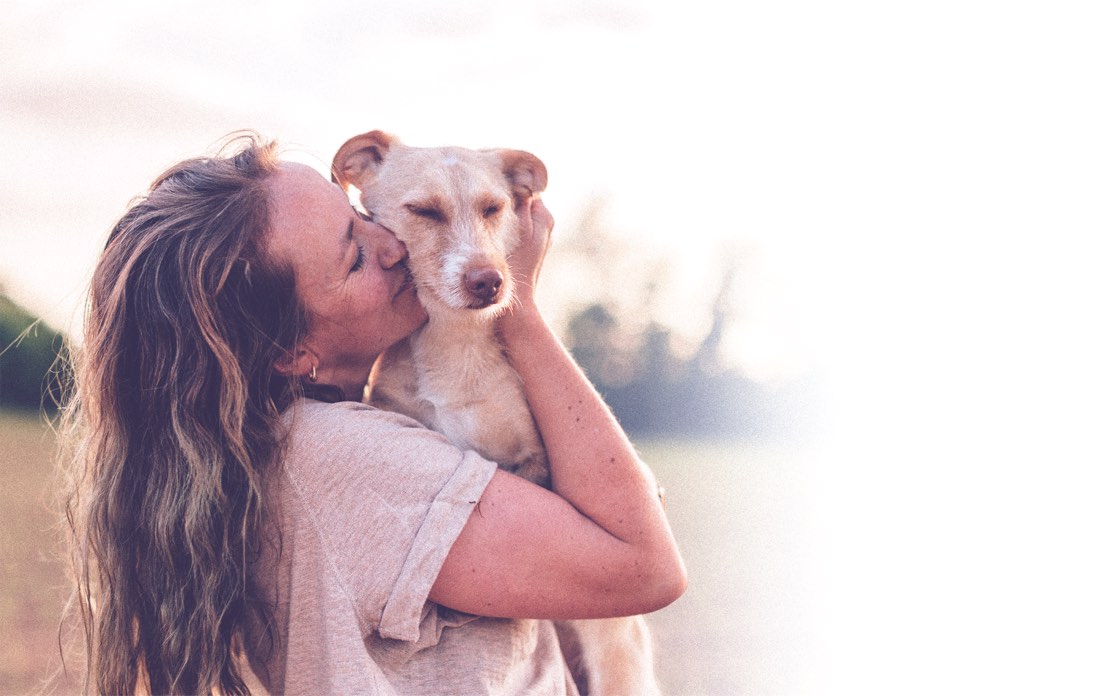
Why wait?
Every week you put this off is another week of walks you're dreading instead of enjoying.
A calmer dog doesn't start with commands. It starts with the nervous system.
This program is built on behavior science, nervous system regulation, and 20+ years of experience working with anxious, reactive, and over-excitable dogs. We don't jump straight into training, because calm can't be taught when a dog's system is overloaded. Each week builds on the last, so progress actually sticks.
What you'll learn
Over 6 weekly modules, you'll learn how to check the foundations, sleep, diet, exercise, and mental stimulation, that keep stress hormones high when they're out of balance. How to read your dog's early stress signals before they escalate. How to run a short “trigger detox” that lets your dog's nervous system actually reset. How to teach calm skills like settle, stay, and leave it that build real self-control, not just a temporary distraction. How to manage your own stress, because your dog co-regulates with you. And how to build a daily routine that keeps calm alive long after week 6 ends.
How it works, week by week
Each week builds on the last
 1
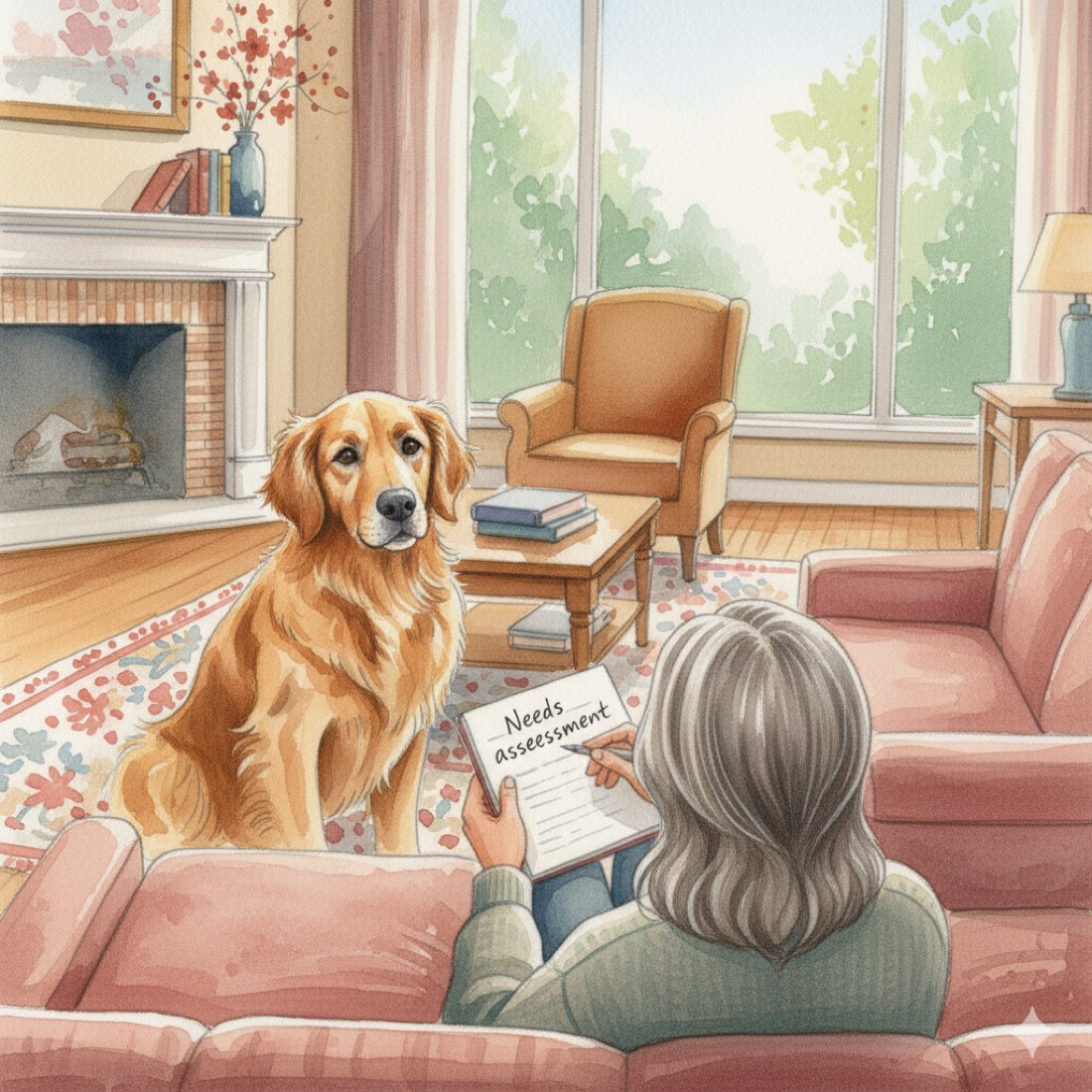
1Week 1
Check the foundations, then learn your dog's triggers.
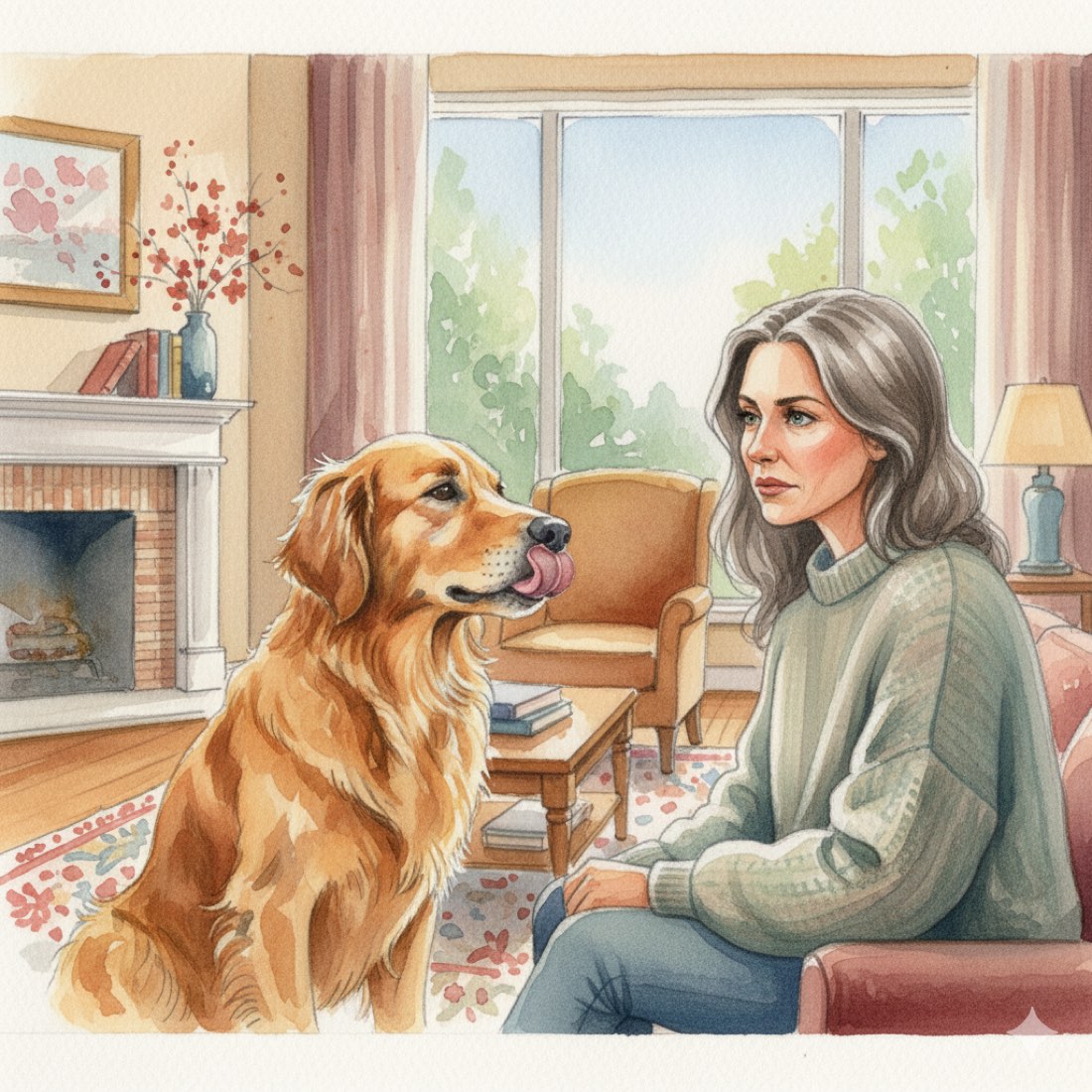
We start by looking at sleep, diet, exercise, and mental stimulation, then move into reading subtle body language, a nose lick, tension, a shake, so you catch stress before it escalates.
 2
2Weeks 2 to 3
Reset the brain and body.
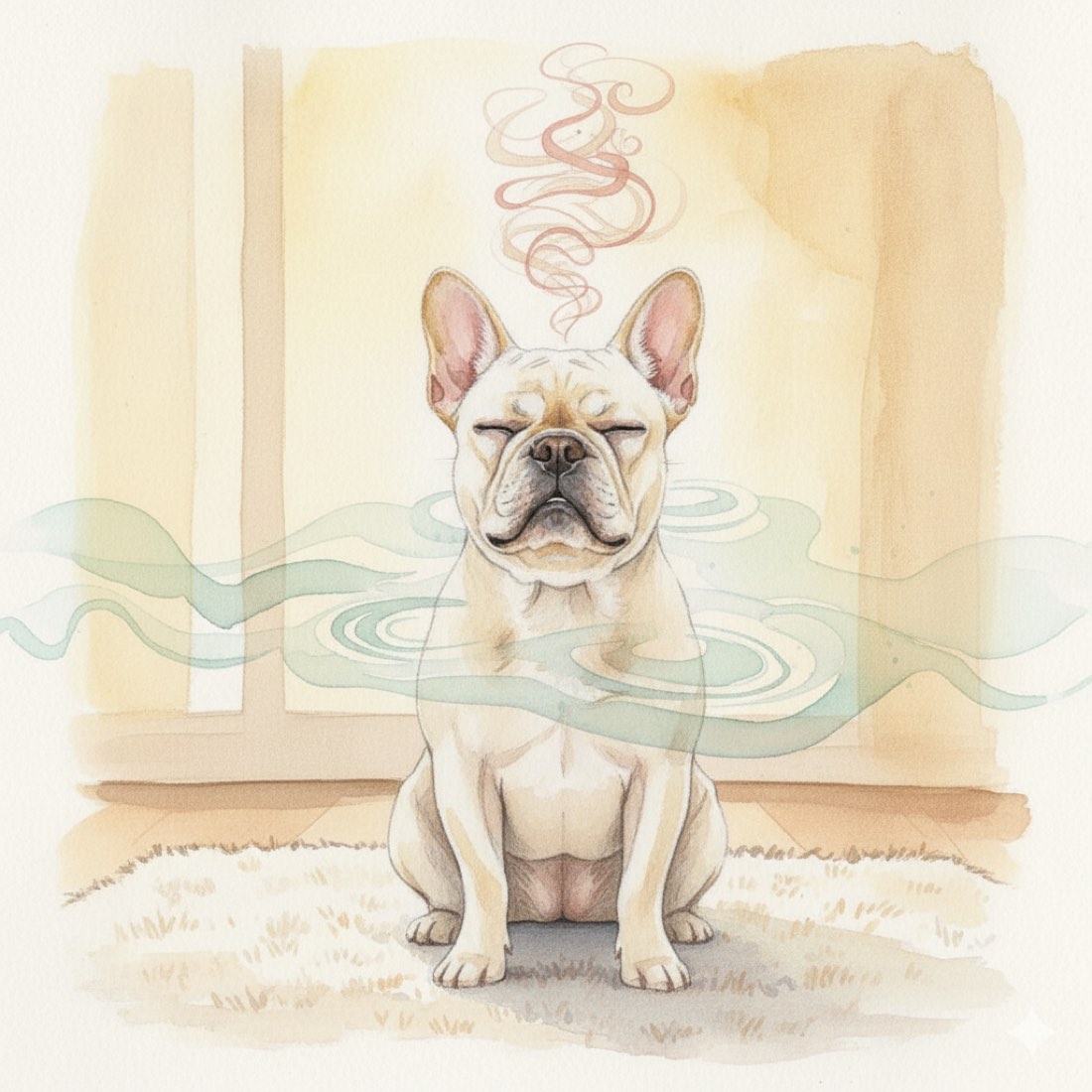
Through a short “trigger detox,” your dog's nervous system finally gets to exhale. Their body returns to a calm baseline, so focus and emotional regulation can come back online.
 3
3Weeks 3 to 4
Teach calm skills that stick.
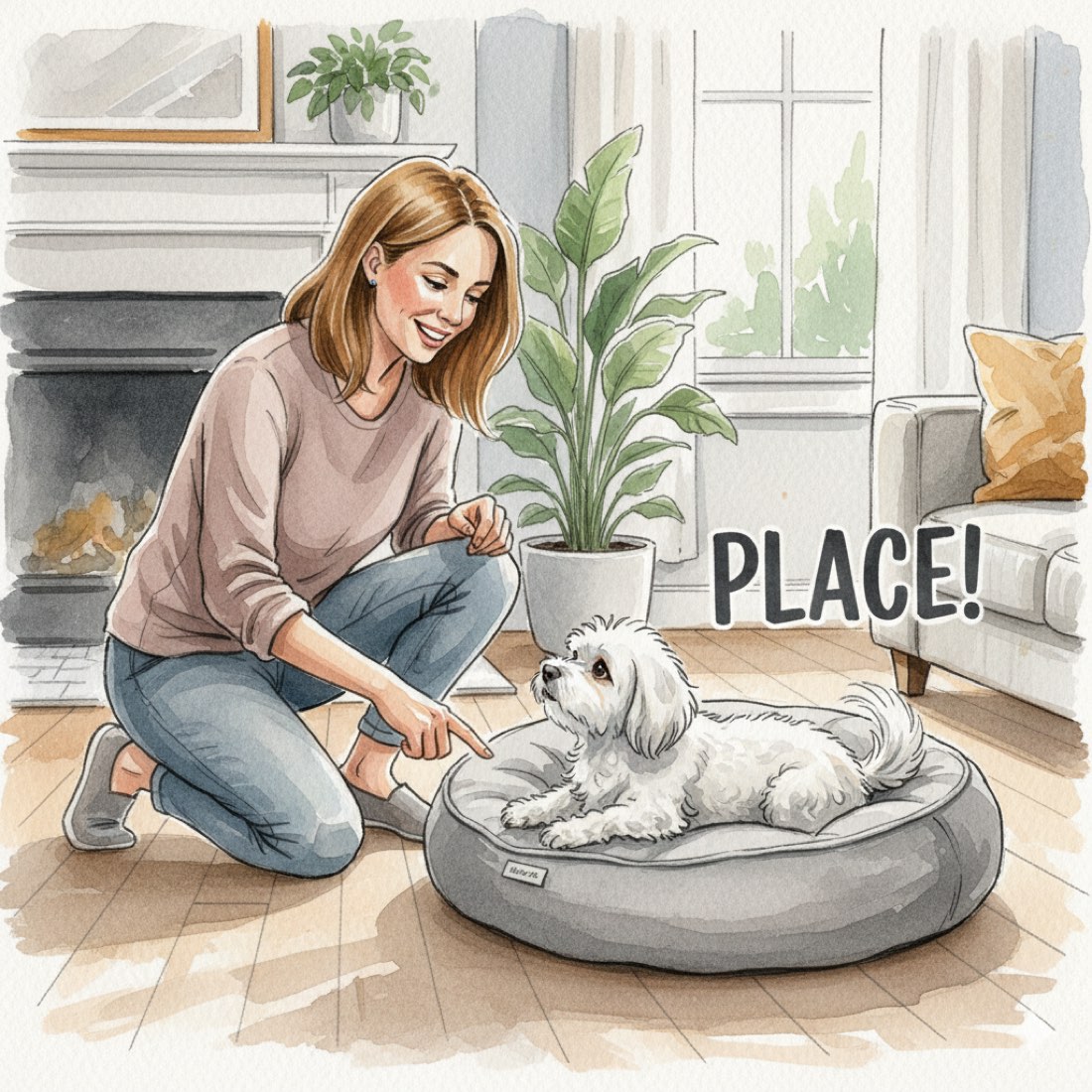
We don't just say “stop barking.” We show your dog how. Structured exercises like settle, stay, and leave it build the same neural pathways that regulate impulse and attention.
 4
4Week 5
Take care of yourself, too.
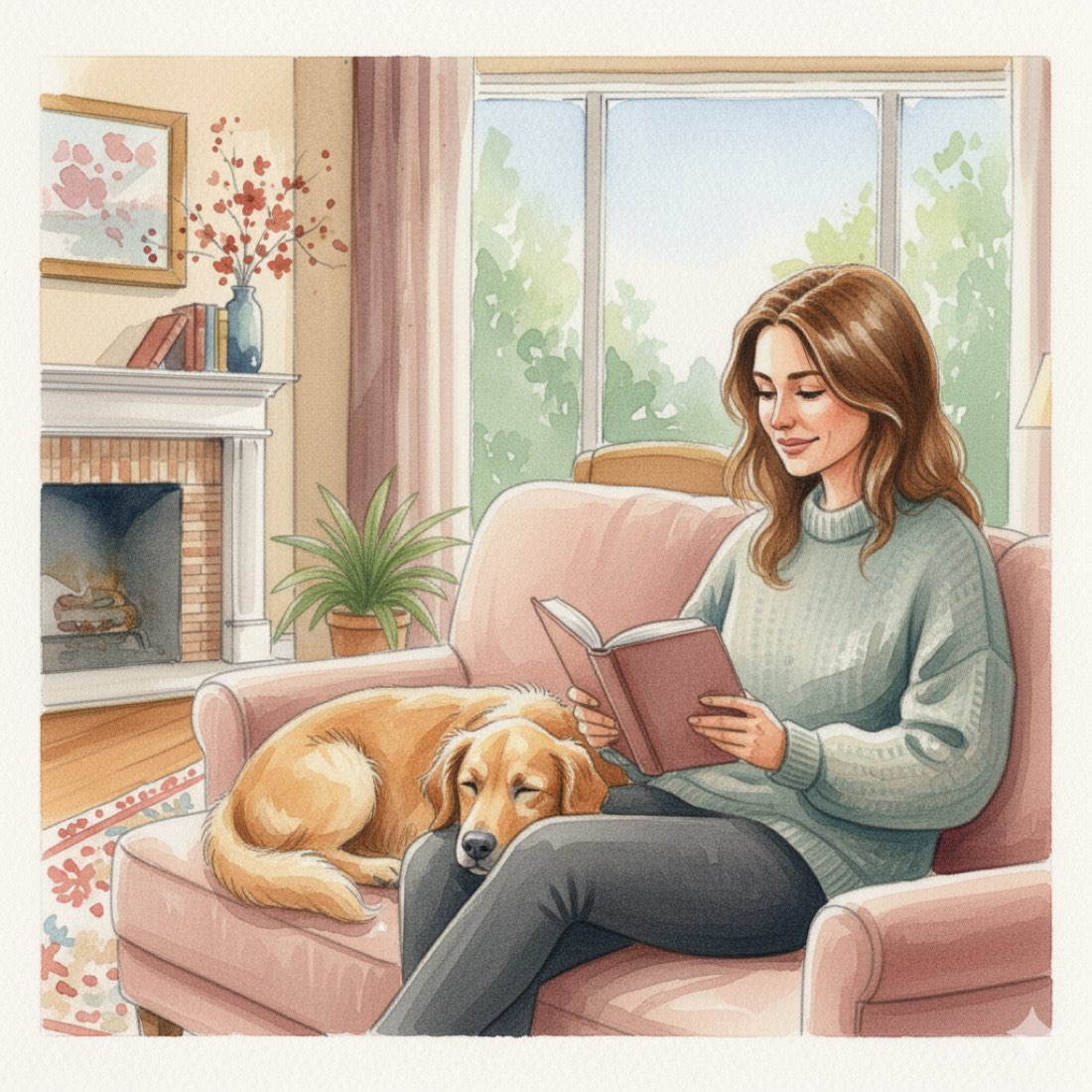
Your dog co-regulates with you. When you're tense, they feel it. You'll learn to spot your own stress triggers and practice small acts of self-care that keep you grounded.
 5
5Week 6
Build a routine that keeps calm alive.
You'll design a daily rhythm that fits your life and your dog's needs, movement, rest, enrichment, connection.
What life starts to look like by week 6
Walks feel easier
Your dog can pass distractions with less drama, and recovers fast when something does catch their attention.
Your home feels peaceful again
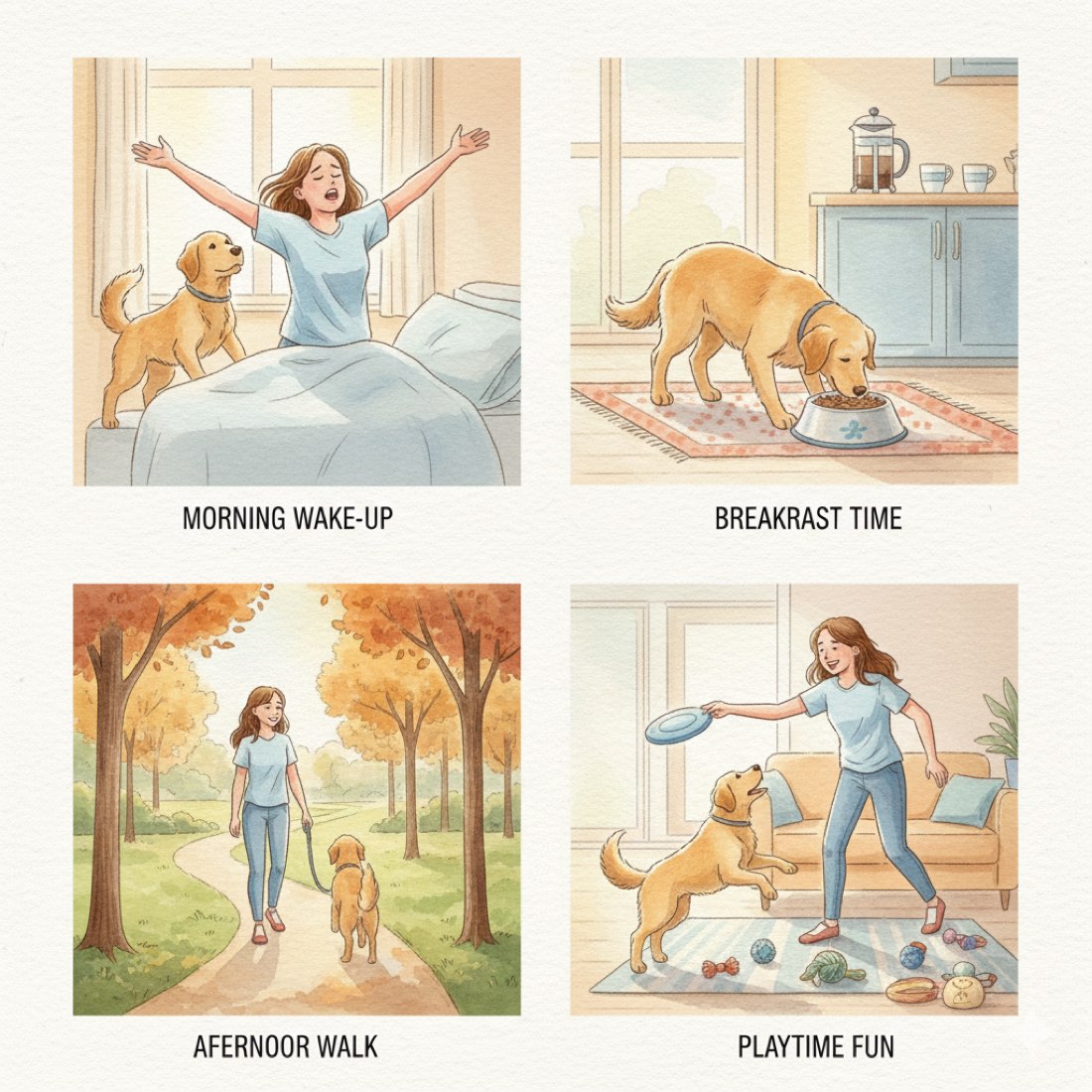
Evenings and mornings are quieter, and your dog actually rests instead of pacing.
Your dog starts making better choices
They pause, think, and settle, because their brain now knows how, not because you told them to.
You can finally relax in public
A café patio, your dog resting calmly beside you as people and other dogs pass by.
You feel calmer too
You'll catch yourself smiling more and reacting less.
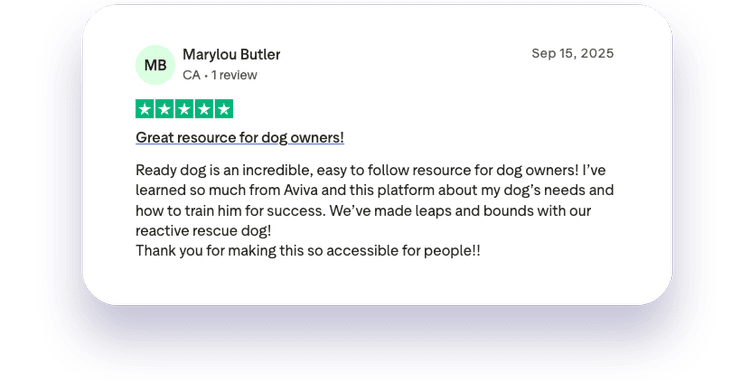
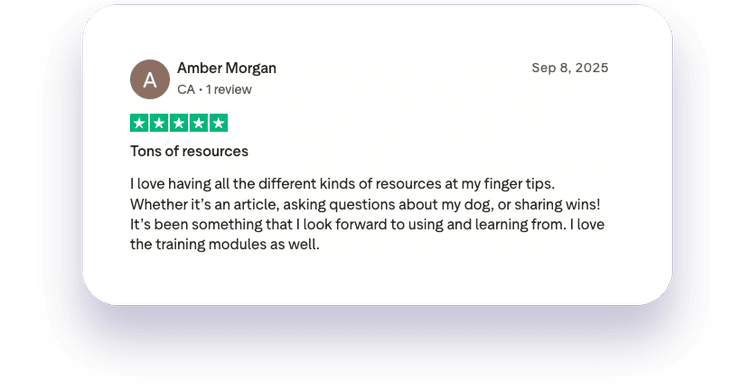
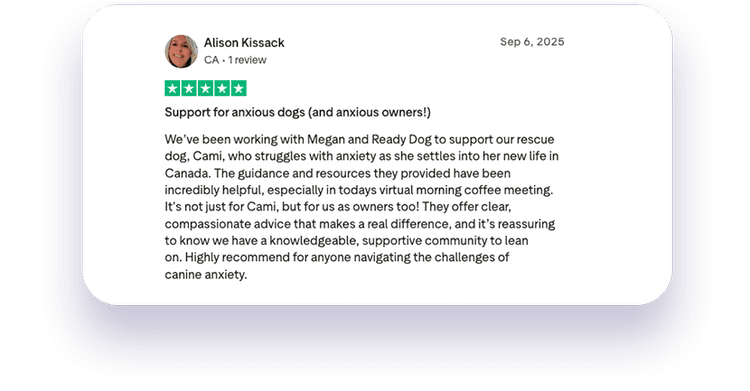
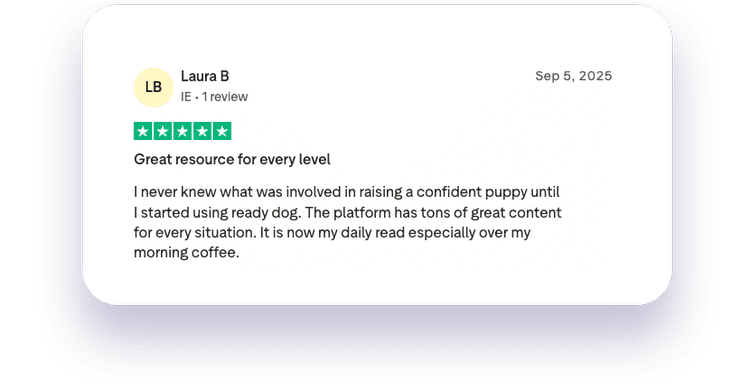
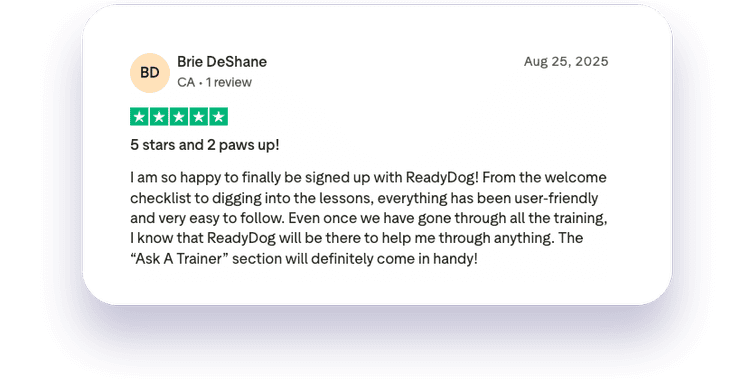
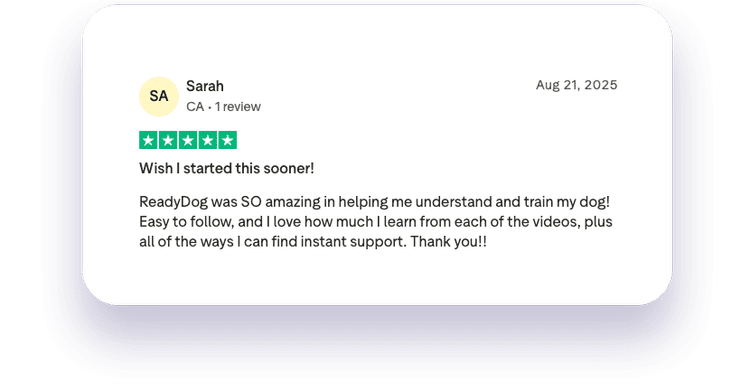
Real owners, real words
What members say
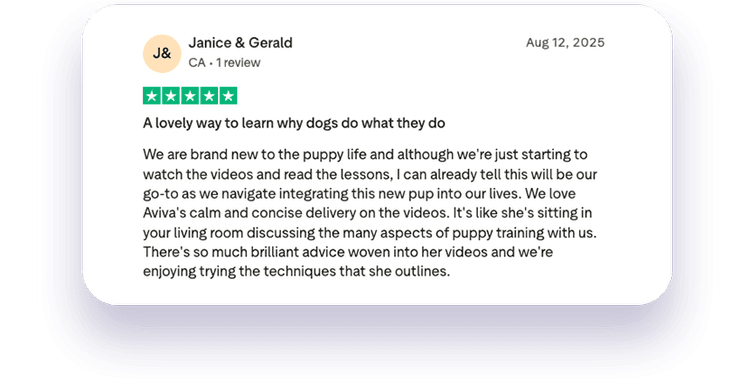
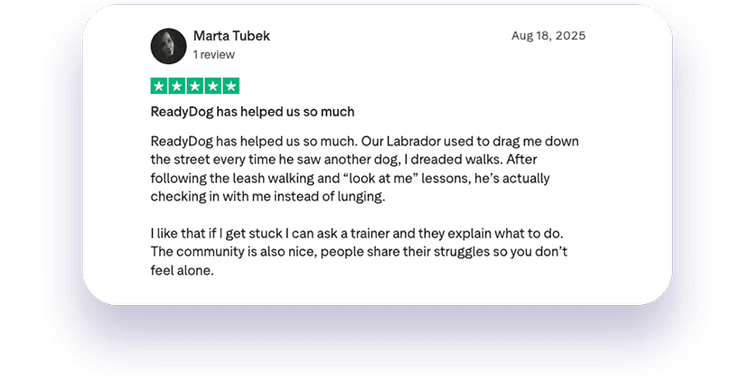
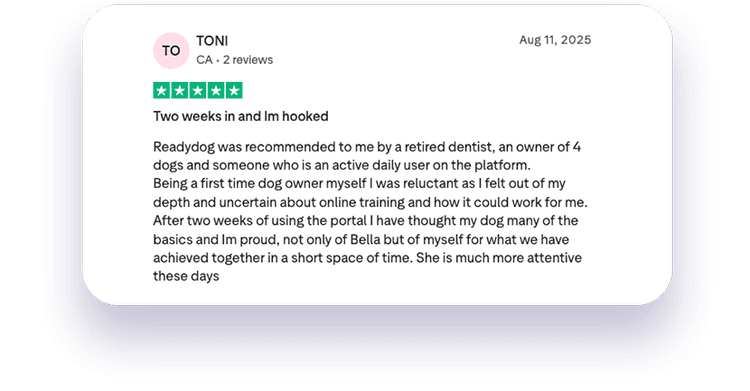
Here's what you get when you join today
- Six weekly training modules with step-by-step videos and daily actions
- A printable workbook and guided exercises to track triggers, assess needs, and plan routines
- Direct trainer support from Aviva and the ReadyDog team, with weekly check-ins
- A community of other owners working through the same thing, not a self-paced library you forget about by week two
- Ask-an-Expert check-ins for quick, personal feedback
The math
A private trainer session runs about $85 to $120. A behavior consult runs $140 to $200 or more. Treats and chews that don't fix the problem add up to $55 to $80.
Versus 6 Weeks to Calm: less than the cost of one private lesson, and you keep lifetime access.
The Calm for Free Guarantee, in full
You do the work. We give your money back. Here's how: watch your weekly lessons (short and simple), post your weekly check-ins, and earn points by leaving comments, sharing wins, or asking questions. That's it.
When you complete those steps, you can claim your full refund, no strings attached. We do this because we want you to succeed. Consistency is what changes behavior, in both dogs and humans. No risk. All reward. Just proof that calm can be taught.
Built by real trainers
We don't just teach this. We've lived it.
Aviva has spent 20+ years working hands-on with anxious, reactive, and over-excitable dogs, not in a lab, in real homes on Vancouver Island. The same trainers who built this program are the ones answering your questions inside it.
So what does this mean for you?
If you've made it this far, you already know what it's like to dread the doorbell, dread the walk, dread the moment your dog locks onto something and you lose them for the next ten minutes.
You don't need a perfect dog. You need a plan that accounts for what's actually happening in their nervous system, not just what they do with their paws.
Whatever brought you here, an anxious rescue, a reactive dog you love anyway, a puppy already showing signs, you have the tools to change this. That's not a promise we make lightly. It's why we back it with your money, not just your hope.
You're not the only one dealing with this
A 2026 study from Texas A&M's Dog Aging Project, following more than 43,000 dogs, found the large majority show at least one sign of fear or anxiety. If that's your dog, you're not doing anything wrong, and you're not alone.
Who this is for
This isn't a quick fix. It's for people who want a calmer, happier life with their dog, not just for a few weeks, but for as long as they're by your side.
It's for you if your dog is reactive, anxious, or easily overstimulated. If you're ready to understand what's really behind their behavior, not just control it. And if you want a calmer home and calmer walks, whether that's for the next 10 years or the next 2.
A quick note: if your dog shows signs of severe anxiety, panic, or intense reactivity, this program can still help, but it's best to speak with your vet or a certified behaviorist first, to rule out medical causes.
Questions dog owners ask before joining
That's exactly who this program is for. We start with a trigger reset and foundational calm skills, no forced exposure or pressure. You go at your dog's pace.
It's time to stop dreading the walk.
Every week you wait is another week of the same tension, the same detour to avoid the neighbor's dog, the same “sorry, they're not great with other dogs.” That doesn't have to be the rest of your story with this dog.